Your body is constantly changing throughout the month, and so are your hydration needs. Many women notice they feel more bloated one week, more tired the next, or crave salty foods at certain times without realising these changes may also affect how hydrated they feel.
Hydration is often associated with exercise or hot weather, but hormones also influence how your body regulates fluids. While everyone's experience is different, understanding these natural shifts can help you make small adjustments that support your overall wellbeing.
If you have ever wondered why you seem thirstier, more fatigued or simply "off" during certain stages of your cycle, hydration may be one piece of the puzzle. Supporting your body with adequate fluids and essential electrolytes throughout the month can help you feel more comfortable and maintain healthy hydration.
Why Hydration Matters Every Day
Water is essential for almost every function in the body. It helps regulate body temperature, transports nutrients, supports digestion and keeps muscles and nerves functioning properly.
However, hydration is not simply about drinking more water. Your body also relies on electrolytes such as sodium, potassium and magnesium to help maintain fluid balance and allow cells to absorb and use water effectively.
Without enough electrolytes, drinking large amounts of water alone may not always be the most effective way to stay hydrated, particularly during times when your body's fluid balance naturally fluctuates.
How Hormones Can Influence Hydration
Throughout the menstrual cycle, hormone levels naturally rise and fall. These hormonal changes influence many parts of the body, including appetite, digestion, mood and fluid regulation.
Some women notice they retain more water before their period, while others feel thirstier or experience headaches and lower energy levels. These experiences are common, although the exact pattern varies from person to person. Every woman's experience is different, and learning to recognise your own patterns can make it easier to support your hydration needs. For a deeper look at the relationship between hormones and hydration, explore our guide Why Hydration Can Feel Different for Women, which explains why many women notice changes in thirst, energy and fluid balance as their cycle progresses.
Feeling bloated does not necessarily mean you are well hydrated. In fact, fluid retention and hydration status are different things. You can retain water while still not consuming enough fluids or electrolytes to support optimal hydration. Understanding this distinction can make it easier to respond to what your body needs rather than simply assuming bloating means you should drink less.
Different Stages of the Cycle Can Feel Different
Although every woman's cycle is unique, many experience noticeable differences throughout the month. Hormonal fluctuations can influence everything from energy levels and appetite to thirst and fluid balance, meaning your hydration needs may not feel the same from one week to the next. Understanding these natural changes can help you recognise what your body needs and build hydration habits that support you throughout your cycle.
During Your Period
Blood loss naturally involves some fluid loss, even though the amount is usually modest. If your period is heavy, you may feel more tired or notice lower energy alongside menstrual symptoms. Some women also experience digestive changes during this time, which may make it more difficult to maintain normal hydration. Making a conscious effort to drink fluids consistently throughout the day can support everyday hydration during your period.
After Your Period
Many women find they feel more energetic during the week following their period. This can also be when exercise levels increase, which naturally raises hydration needs. Whether you are returning to the gym, walking more or simply feeling more active, replacing both fluids and electrolytes can help support hydration as activity levels increase.
Around Ovulation
Some women notice increased physical activity, higher energy or warmer body temperatures around ovulation. While these changes are often subtle, they can slightly increase fluid requirements, particularly during exercise or warmer weather. Listening to your thirst and maintaining regular hydration habits can help support your body during this stage.
Before Your Period
The days leading up to a period are often when women report feeling the biggest changes. Bloating, food cravings, fatigue and mood changes are all common experiences. This is also the time when many women crave salty foods. While occasional cravings are perfectly normal, processed foods can often be high in sodium without providing the balance of other important electrolytes your body also needs. Maintaining regular hydration and choosing foods that contribute to overall nutrient intake may help support wellbeing during this stage of the cycle.

Why Bloating Does Not Always Mean You Should Drink Less
It may seem logical to reduce your water intake if you feel bloated, but doing so can sometimes make you feel worse.
Hydration supports normal circulation, digestion and kidney function, all of which play important roles in maintaining healthy fluid balance.
Instead of avoiding fluids, it is often more helpful to focus on drinking consistently throughout the day rather than consuming large amounts all at once.
Pairing adequate fluid intake with a balanced diet that includes essential minerals may also help support normal hydration.
Everyday Habits That Support Hydration for Women
Supporting hydration does not require dramatic lifestyle changes. Small, consistent habits are often the most effective and can make it easier to stay well hydrated throughout the month.
One of the simplest habits is drinking water regularly instead of waiting until you feel thirsty, as thirst can sometimes be a sign that you are already becoming dehydrated. Eating water-rich foods such as fruit and vegetables also contributes to your daily fluid intake while providing valuable nutrients.
If you are exercising, travelling or spending time in hot weather, including an electrolyte drink alongside water can help support healthy hydration. Limiting excessive alcohol intake may also help reduce the risk of dehydration, while carrying a reusable drink bottle makes it easier to sip fluids consistently throughout the day rather than trying to catch up all at once.
Together, these simple habits can support healthy hydration regardless of where you are in your menstrual cycle and help you feel your best every day.
Why Electrolytes Matter for Women
Electrolytes are minerals that help regulate fluid balance, muscle function and nerve signalling throughout the body.
Although they are often associated with athletes, electrolytes can support anyone who experiences increased fluid losses through sweating, exercise, hot weather or simply struggles to drink enough throughout the day.
Women balancing busy work schedules, family responsibilities, regular exercise and changing monthly hormone levels may find that maintaining consistent hydration supports how they feel from day to day.
The goal is not to replace water but to complement it when appropriate, particularly during times when hydration demands may be higher.
Supporting Everyday Hydration with ReVitalise Balanced Electrolytes
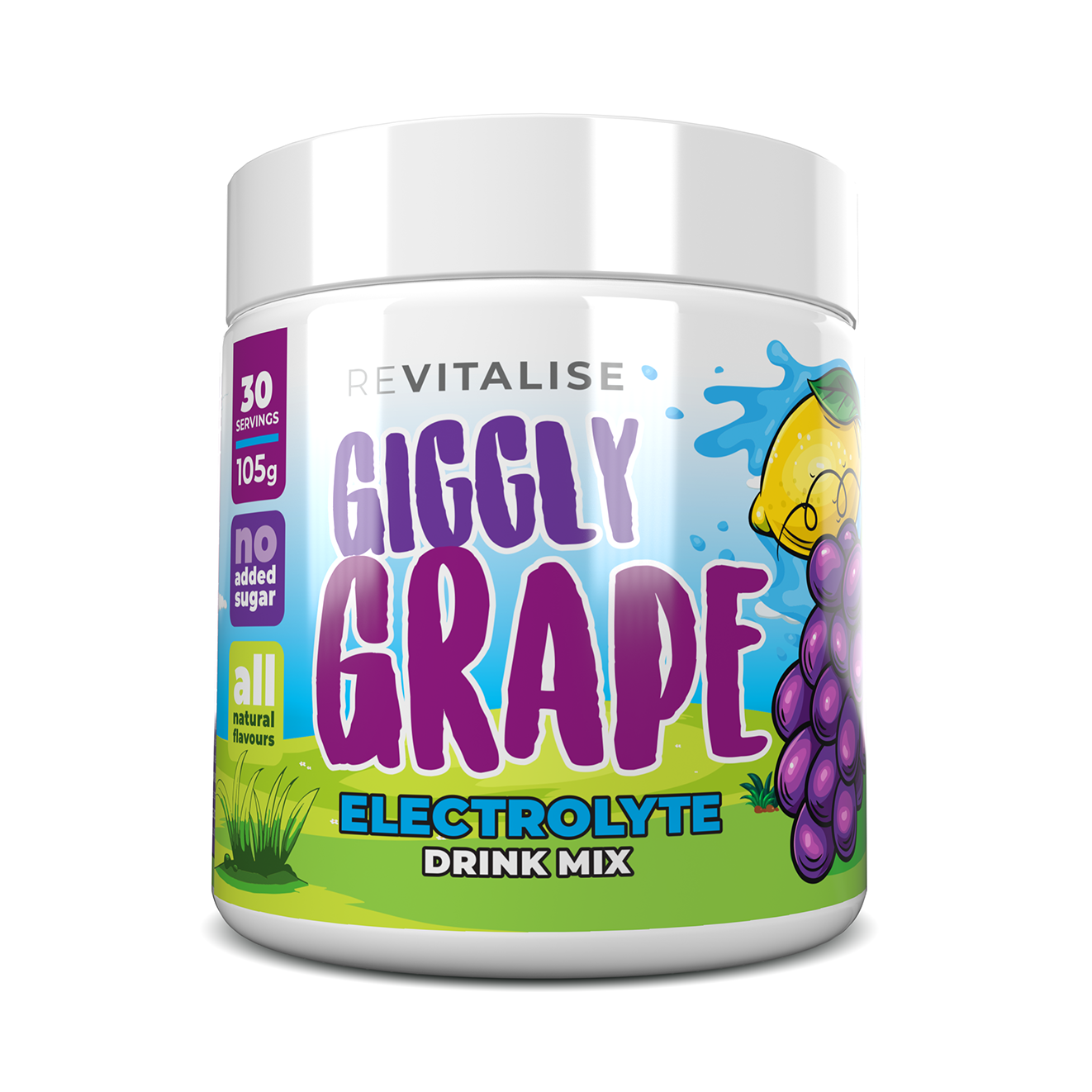
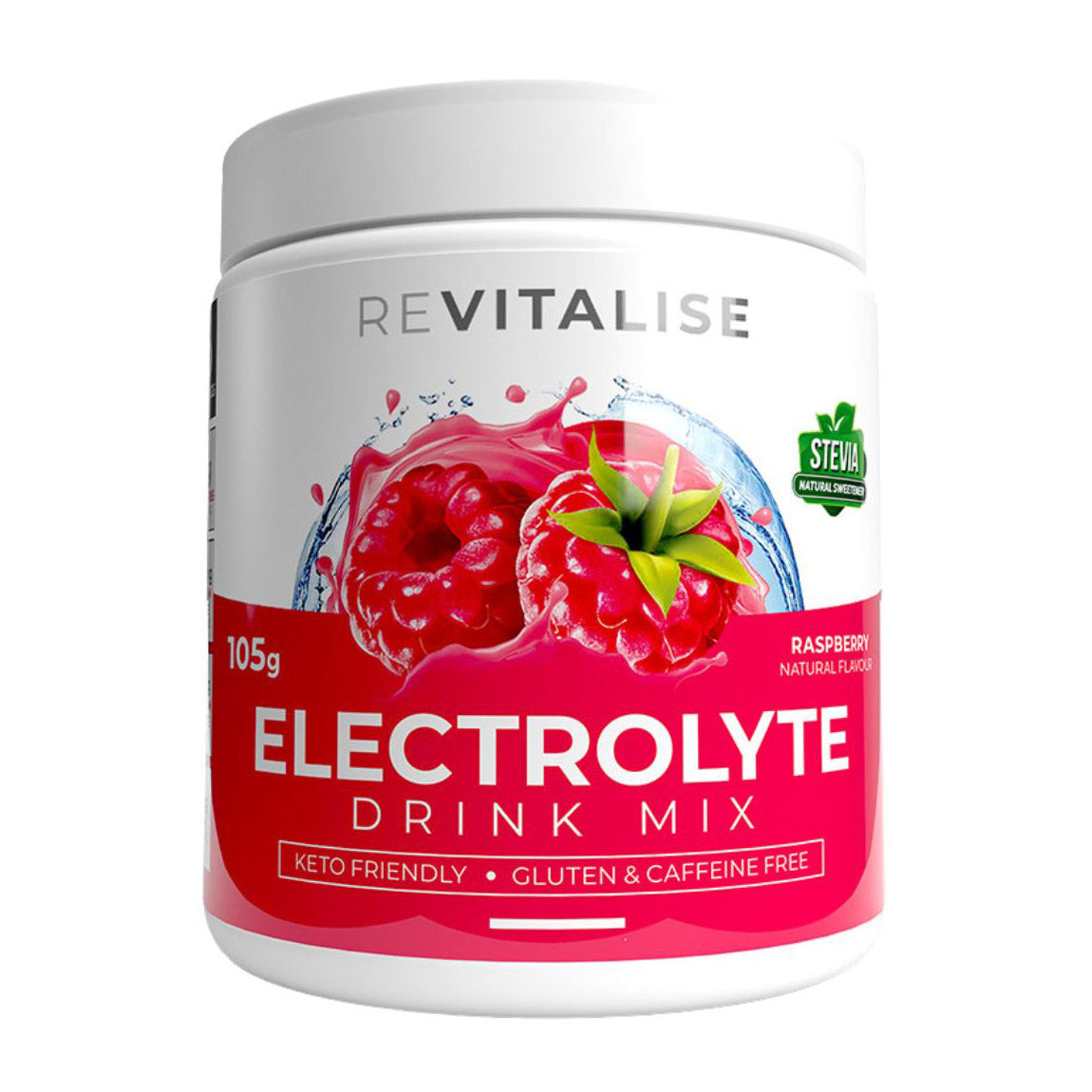
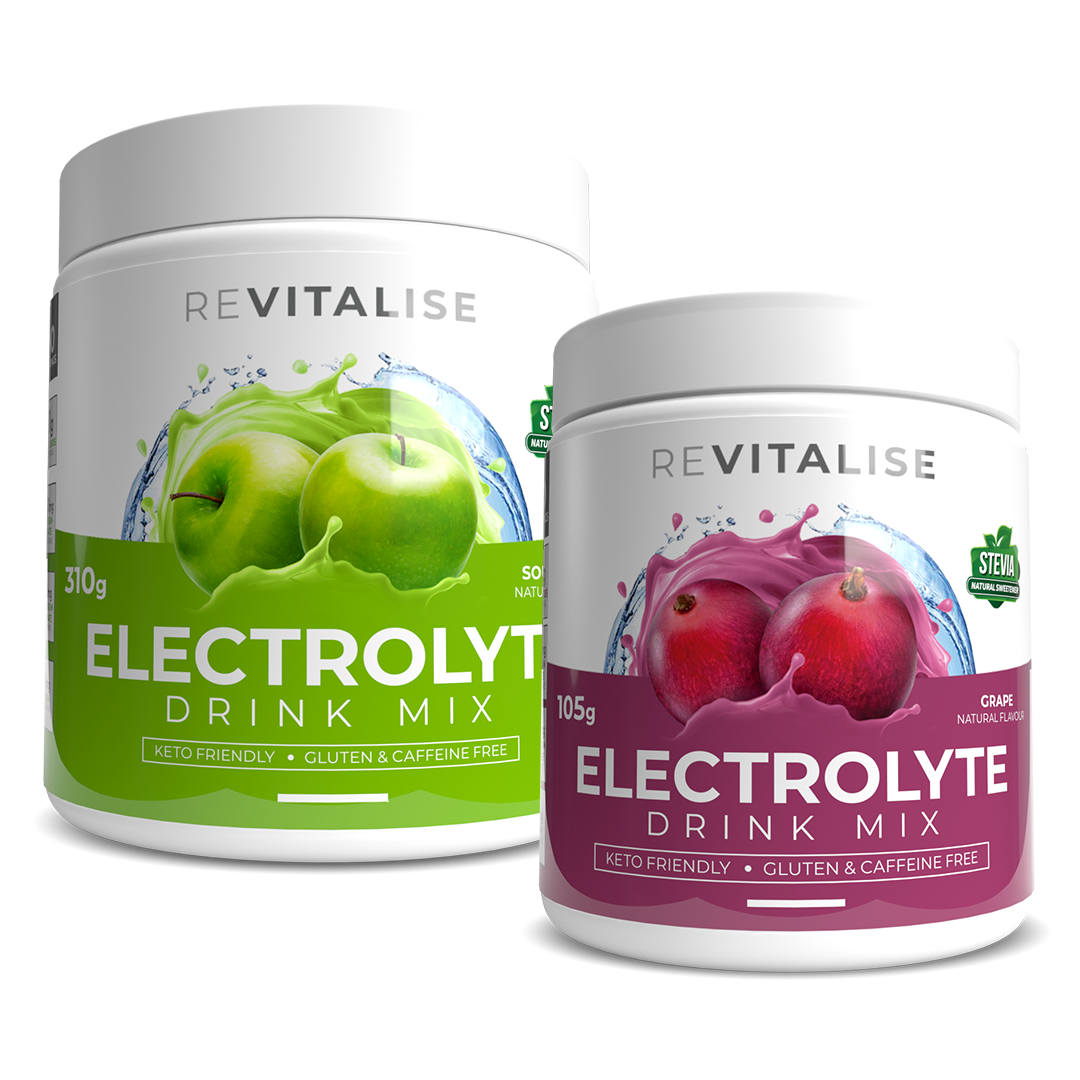
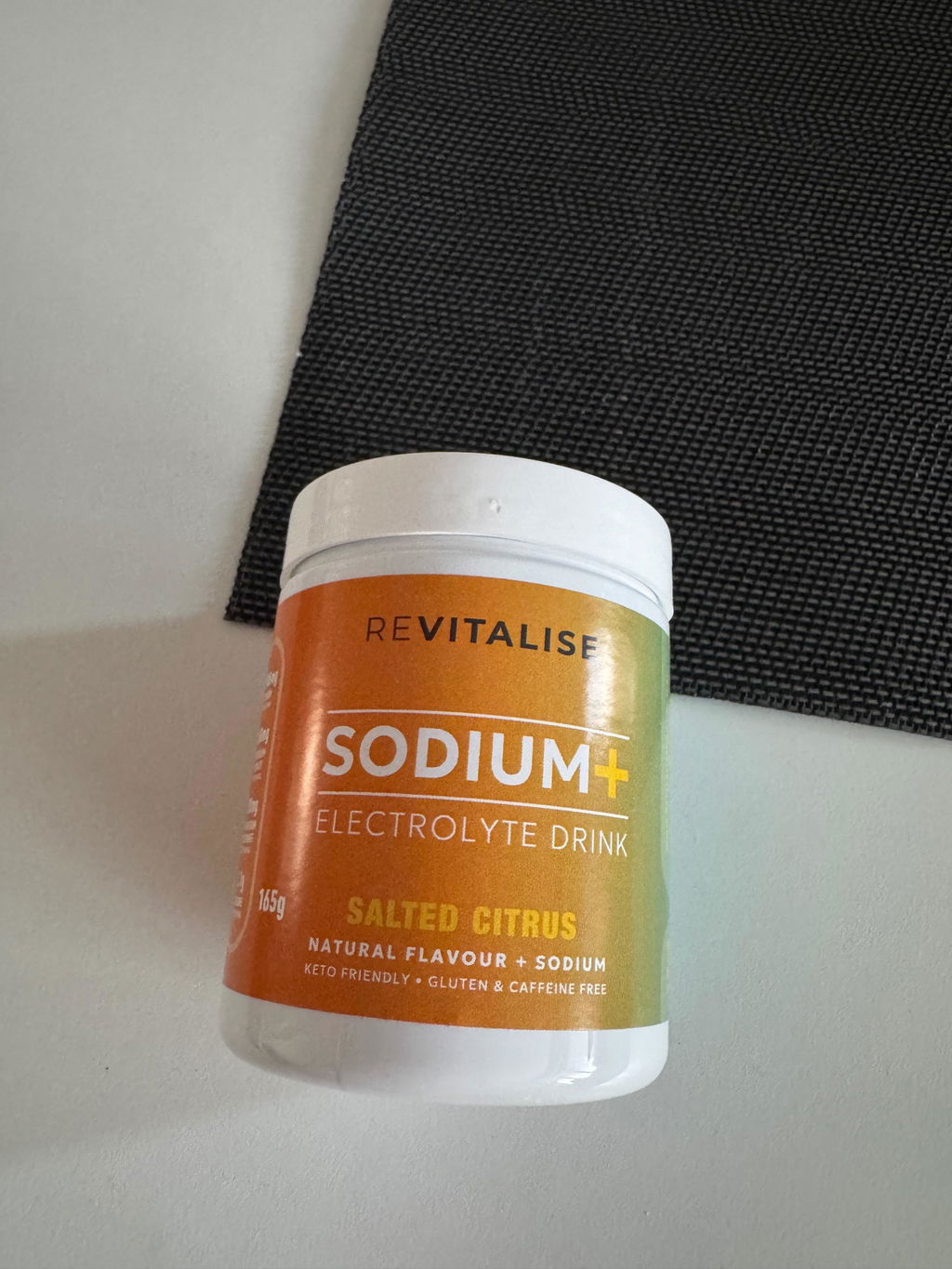
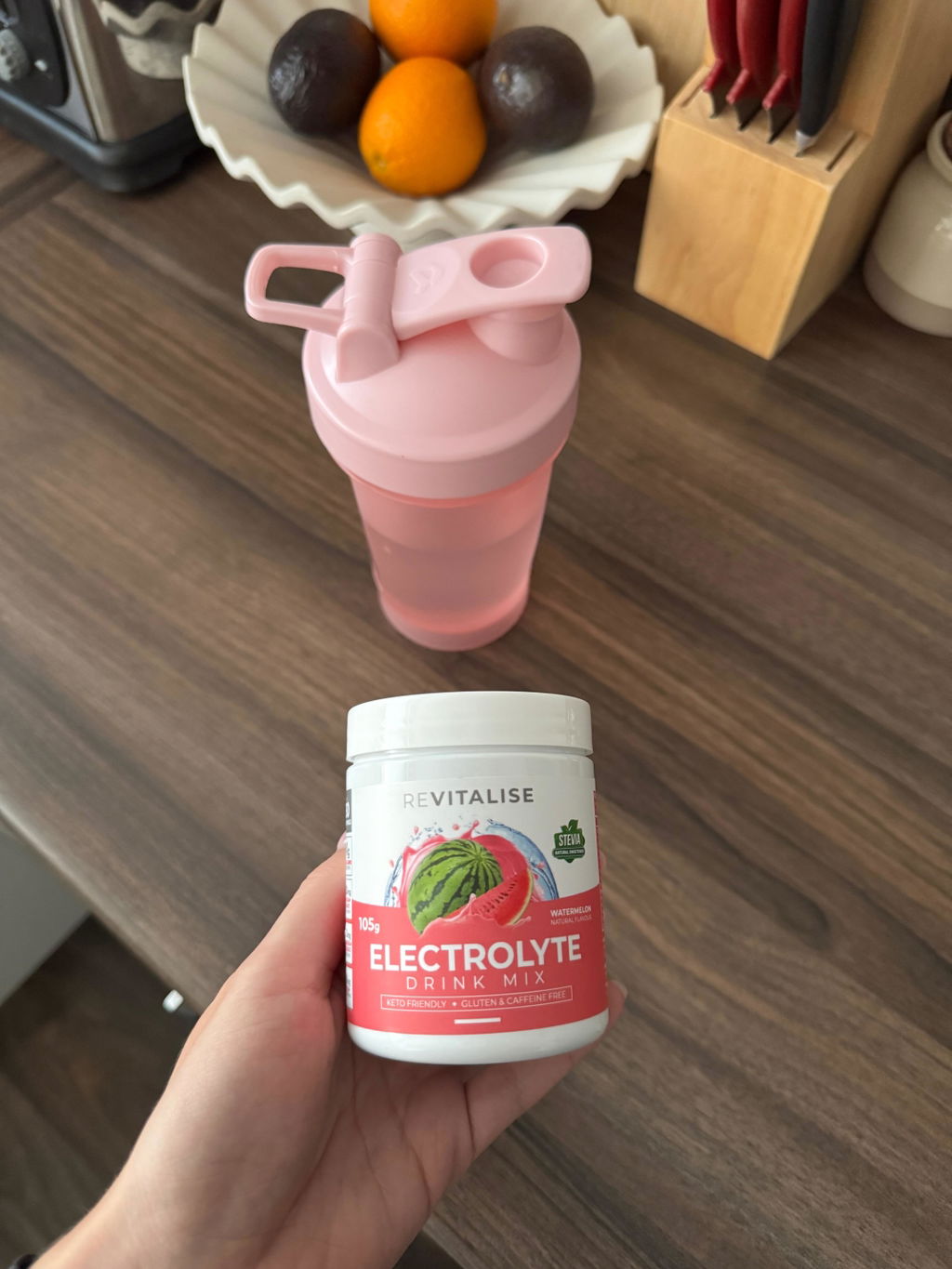
At ReVitalise, we believe hydration should fit easily into everyday life. Our Balanced Electrolytes are designed to support daily hydration without unnecessary sugar or stimulants. The formula provides essential electrolytes that work alongside water to support normal hydration whether you are working, exercising, travelling or simply navigating the natural changes that occur throughout the month.
Because it is sugar-free, vegan and suitable for a wide range of lifestyles, it offers a simple way to support hydration whenever you need it most.
Listen to Your Body Throughout the Month
No two women experience their menstrual cycle in exactly the same way, and hydration needs can vary from person to person. Paying attention to how you feel throughout the month can help you recognise patterns and build habits that support your wellbeing.
Rather than waiting until you feel thirsty or fatigued, making hydration part of your everyday routine can help you stay prepared for whatever stage of the month you are in. Combining regular water intake with balanced electrolytes, nutritious food and healthy daily habits provides a practical foundation for supporting hydration all year round.