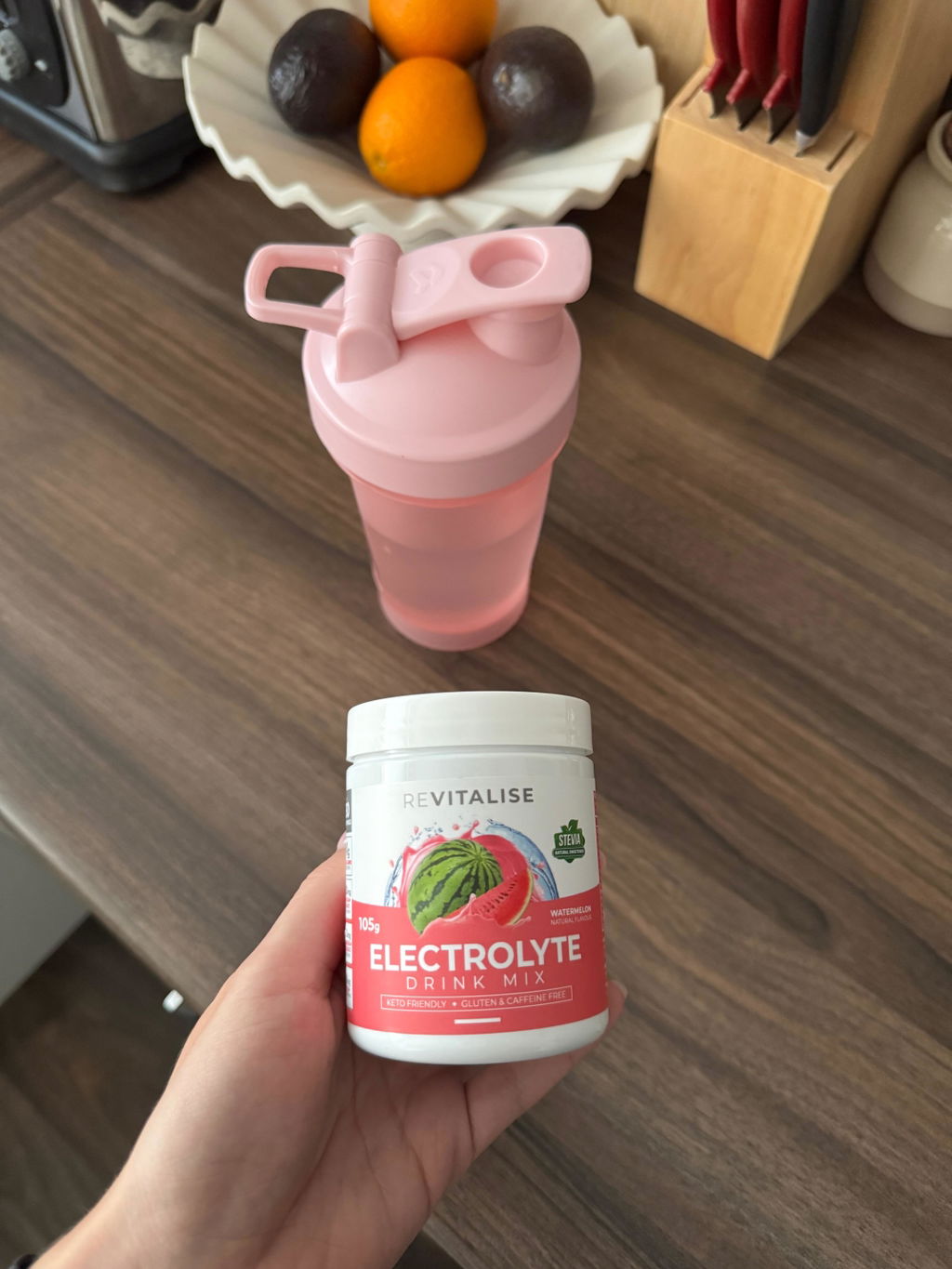
Low-carb lifestyles have become a popular choice for many people who want to reduce sugar, manage their daily food intake differently or follow a more structured approach to eating. For some, this may mean reducing bread, pasta, rice, sweets and sugary drinks. For others, it may mean following a more specific keto-style routine where carbohydrate intake is kept very low.
While everyone’s approach is different, many people notice something similar when they reduce carbohydrates. Their hydration needs can start to feel different. They may feel more thirsty, more flat, more prone to headaches or more aware of salt cravings, especially in the early stages of changing their diet.
This is one reason why electrolytes for low carb diet routines have become such a relevant topic. It is not just about drinking more water. It is about understanding how fluid balance, sodium and electrolytes can play a role when your daily routine changes.
Why Low-Carb Lifestyles Can Change How Hydration Feels
Carbohydrates are stored in the body with water. When someone reduces their carbohydrate intake, especially quite quickly, the body may release more water in the early stages. This is one of the reasons some people notice a quick drop in water weight when they start a low-carb or ketogenic lifestyle.
As fluid levels shift, electrolytes can shift too. Electrolytes are minerals that help the body manage fluid balance, muscle function and nerve function. Sodium, potassium and magnesium are some of the most commonly discussed electrolytes when it comes to hydration support.
For many people, this is where hydration starts to feel less straightforward. Drinking more water may help, but it may not always be enough if the body is also losing or needing more electrolytes. This is why people following low-carb lifestyles often become more aware of sodium, potassium and magnesium as part of their daily routine.
Why Sodium Gets More Attention on Low-Carb Diets
Sodium is often spoken about negatively because many people consume too much of it through processed foods. However, sodium is still an essential electrolyte. The key is context. Someone eating a highly processed diet may already be getting more sodium than they need, while someone following a low-carb routine based on whole foods may be eating fewer packaged foods and may be losing more fluid in the early stages of the diet.
This is why some people on low-carb or keto-style routines start looking for high sodium electrolytes. They are not necessarily looking for a general sports drink. They are often looking for something more targeted, especially if they are active, sweating, fasting, travelling or spending time in warm weather.
For many people, plain water alone may not feel enough during these periods. Drinking more water without replacing electrolytes can sometimes leave people still feeling flat or thirsty. A higher-sodium electrolyte formula can help support hydration in a more practical way, especially when used as part of a balanced daily routine.
Low-Carb Does Not Mean One-Size-Fits-All
Not every low-carb routine looks the same. Some people reduce carbs moderately. Some follow a stricter ketogenic diet. Some focus on higher protein, while others focus on higher fat. Some people are active every day, while others are simply changing the way they eat to reduce sugar or manage their meals differently.
This matters because hydration needs can vary from person to person. A very active person who trains regularly may have different needs from someone who is reducing carbs but not sweating much. Someone working outdoors or spending time in hot weather may need more hydration support than someone sitting at a desk all day. Someone fasting may have different needs again.
That is why it is useful to think about electrolytes as part of your lifestyle, not just your diet label. Low carb is one factor, but movement, heat, sweat, travel, caffeine intake, alcohol intake and overall food quality can also change how hydrated you feel.
Why Sugar-Free Electrolytes Make Sense for Low-Carb Routines
If someone is reducing carbohydrates or following a keto-style lifestyle, a standard sugary sports drink may not fit their routine. Many mainstream hydration drinks contain added sugar, which may not suit people who are trying to keep their carbohydrate intake lower.

This is where sugar free electrolytes become more useful. A sugar-free formula can support hydration without adding unnecessary sugar to the day. It also makes the product easier to use regularly, especially for people who want something they can drink before training, after sweating, during fasting windows where appropriate, or as part of their everyday hydration routine.
For people searching for the best electrolytes for keto, it is usually worth looking beyond flavour alone. The formula matters. A low-sugar or sugar-free electrolyte that only contains a tiny amount of sodium may not offer the level of support some low-carb users are actually looking for.
What to Look For in a Higher-Sodium Electrolyte Product
When choosing electrolytes for a low-carb lifestyle, the first thing to check is the sodium content. Some electrolyte drinks are designed more for flavour than function, so they may contain only small amounts of sodium. For people who are actively looking for stronger hydration support, a higher-sodium formula may be more suitable.
The second thing to check is whether the product contains added sugar. If you are following a low-carb or keto-style routine, a sugar-free option will usually fit more easily into your day.
The third thing to consider is the full electrolyte profile. Sodium is important, but potassium and magnesium are also commonly included in hydration formulas. A well-rounded formula can be more useful than simply adding salt to water, especially if you want something that tastes good and is easy to stick with.
Convenience also matters. Sachets can be useful if you want to keep electrolytes in your gym bag, car, handbag, desk drawer or travel bag. Tubs may be better if you use electrolytes every day at home. The best option is the one that you will actually use consistently.
When Higher-Sodium Electrolytes May Be Useful
Higher-sodium electrolytes may be useful for people who are following a low-carb or keto-style lifestyle and also have other factors that increase their hydration needs. This can include regular training, long walks, running, gym sessions, fasting, hot weather, sauna use, travel, outdoor work or heavy sweating.
Heat can also play a big role. Even if you are not doing intense exercise, warm weather can increase fluid loss. If you are sweating more than usual and only replacing fluids with plain water, you may not feel fully supported.
Electrolytes are not only for athletes. They can be useful for everyday routines too, especially when your diet or lifestyle means you may need more structured hydration support.
Why Some People Feel Flat When Starting Low Carb
Some people feel great when they start a low-carb routine. Others feel tired, foggy, headachy or flat in the first few days or weeks. This is sometimes spoken about as the adjustment period when the body is adapting to a different way of eating.
Hydration is not the only factor behind feeling flat, but it is one of the simplest basics to check first. If you have reduced carbohydrates, changed your food choices, started exercising more or increased fasting, your usual water routine may no longer feel like enough.
Adding electrolytes can be a simple way to support your routine while your body adjusts. It does not need to be complicated. The goal is to make hydration easier, more consistent and better matched to the way you are eating and moving.
Who Should Be Careful With Higher-Sodium Products
Higher-sodium electrolytes are not right for everyone. If you have high blood pressure, kidney disease, heart disease, diabetes, are pregnant, take medication that affects fluid or electrolyte balance, or have been advised to limit sodium, it is important to speak with a healthcare professional before using higher-sodium products.
This is especially important for people using low-carb or keto-style diets for medical reasons. Hydration products can support a routine, but they are not a replacement for medical advice, a balanced diet or individual guidance from a qualified health professional.
How Sodium+ Fits Into a Low-Carb Lifestyle
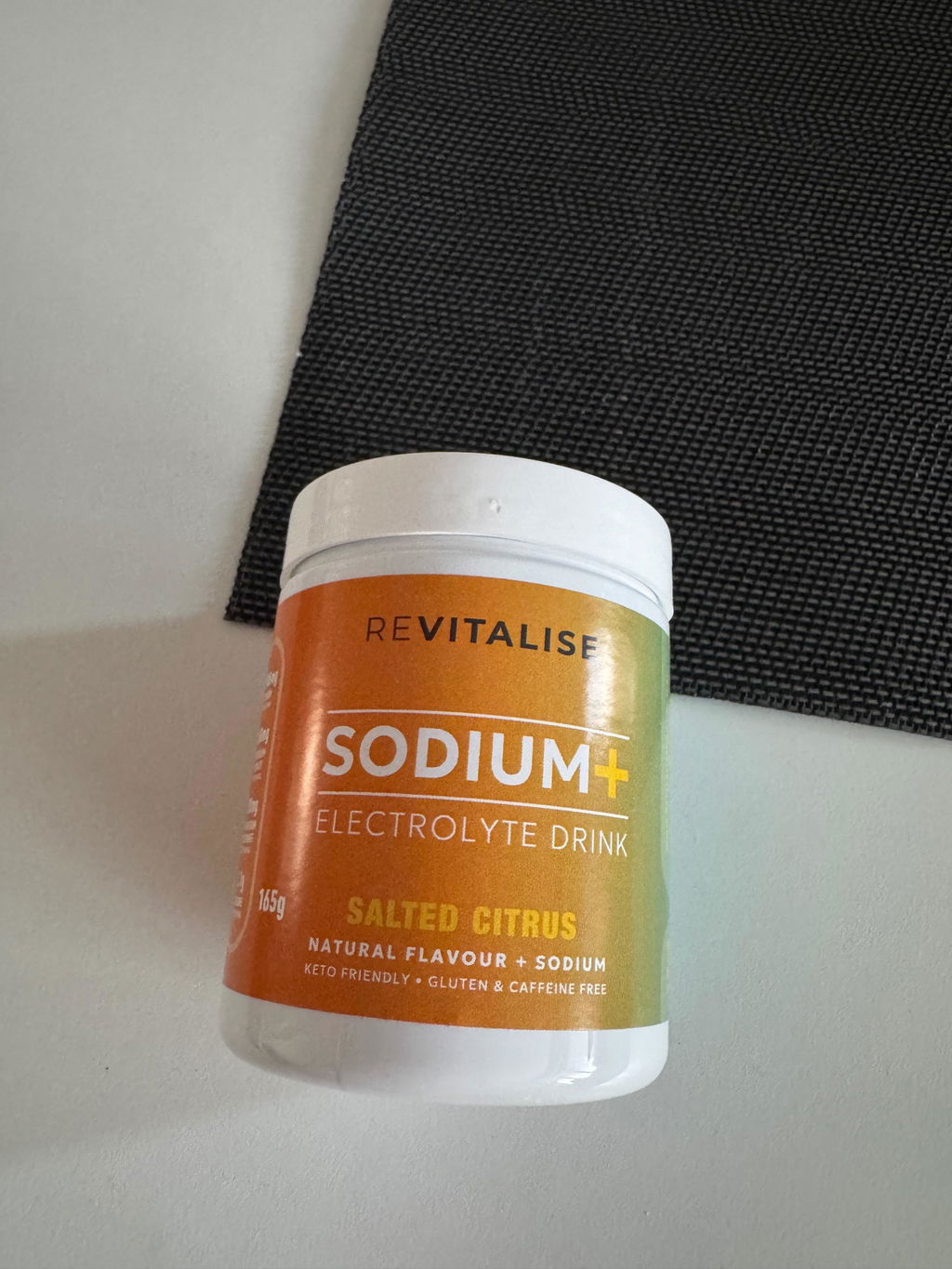
ReVitalise Daily Sodium+ was created for people who need more than standard hydration support. Each serve contains a higher-sodium electrolyte formula designed for active lifestyles, hot days, fasting, travel and low-carb routines where stronger electrolyte support may be useful.
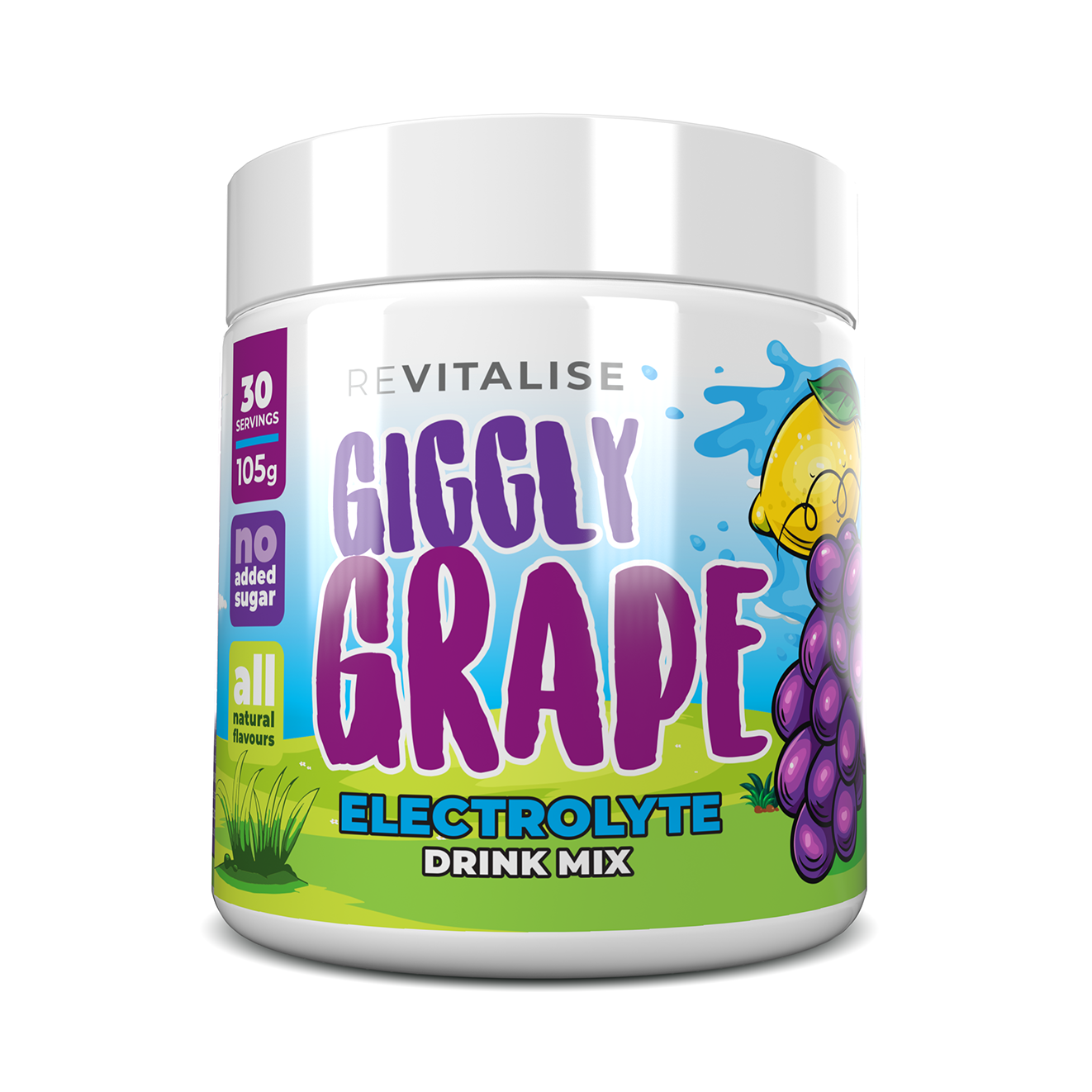
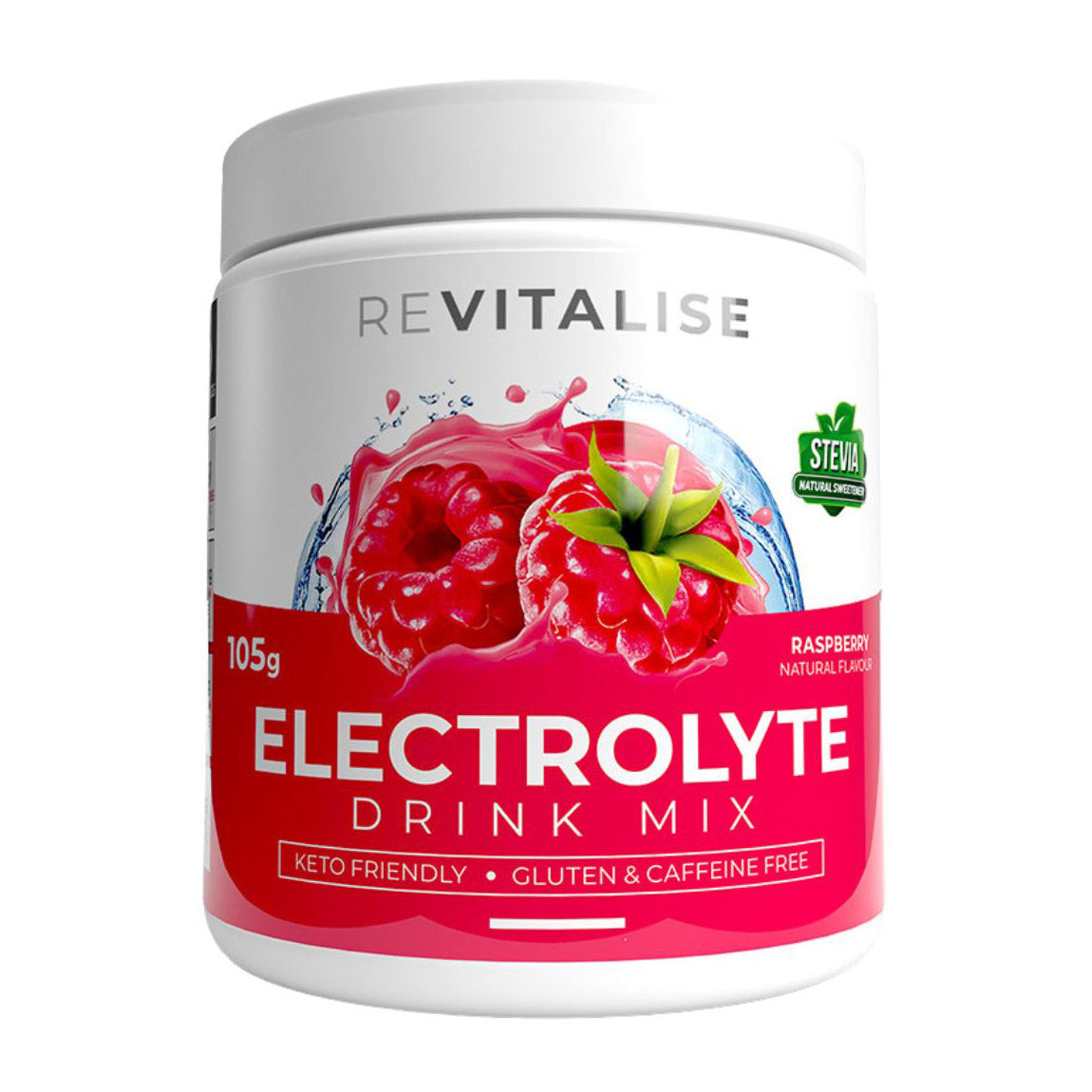
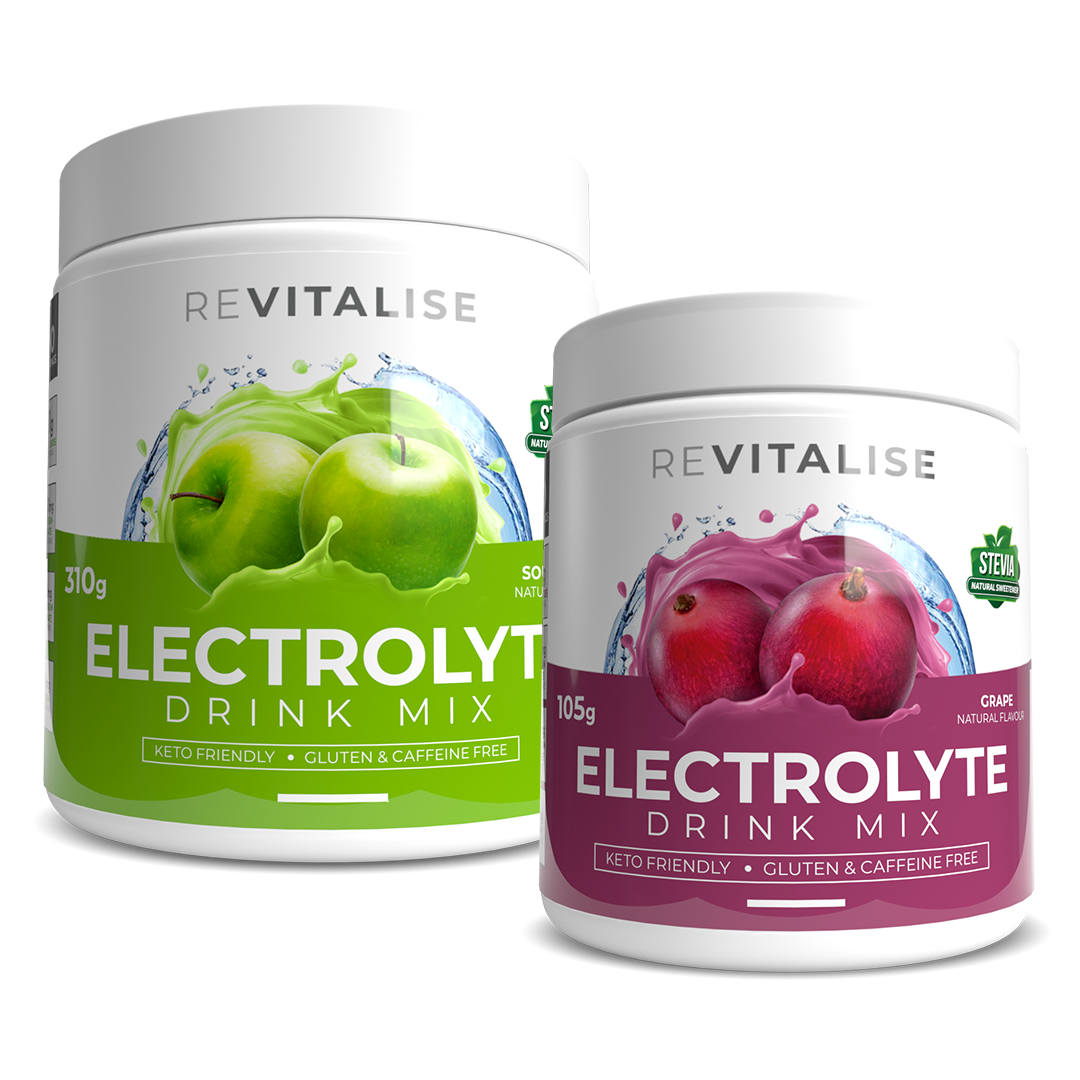
Sodium+ is sugar-free and caffeine-free, making it easy to fit into a low-carb or keto-style routine without adding unnecessary sugar. It is available in refreshing flavours and convenient options, including sachets that can be kept in your gym bag, car, desk drawer or travel bag.
For people who want high sodium electrolytes without a sugary sports drink, Sodium+ offers a simple way to support hydration with a formula designed for real daily use.
Choosing Electrolytes That Match Your Routine
The reason more people on low-carb lifestyles are turning to higher-sodium electrolytes is simple. Their hydration needs often feel different, and standard drinks do not always match their routine.
If you are reducing carbohydrates, training regularly, sweating more, fasting or spending time in warm weather, it may be worth looking at whether your hydration routine is keeping up. A sugar-free, higher-sodium electrolyte can be a practical option for people who want more targeted support without added sugar.
Low-carb lifestyles are not the same for everyone. Your hydration routine should match your body, your activity level and your day-to-day habits. When you choose a product with the right sodium level, no added sugar and a format you will actually use, hydration becomes much easier to keep consistent.